The First Seven Days: A Tollcross Starter Kit for New Neighbours
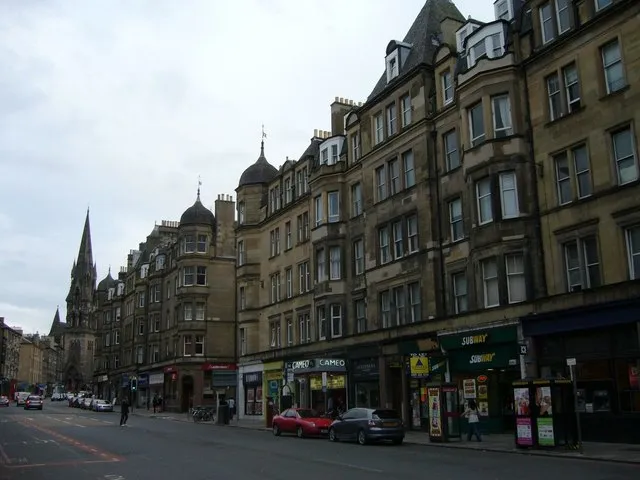
Photo: kim traynor, CC BY-SA 2.0, via Wikimedia Commons
Tollcross is a junction before it is a neighbourhood. That is the first thing to understand. People pass through it on buses, on foot, on the way to the Meadows or the King's Theatre or a pint somewhere further west, and for a while you will feel like you are living in the middle of a crossing rather than a community. Give it seven days. The crossing starts to feel like a place.
This is not a list of paperwork. You can sort your council tax and your broadband in your own time. This is the stuff that estate agents leave out because it does not fit on a floor plan: which bin goes out when, which café is worth putting shoes on for, which shortcut is real, and how to be a good neighbour without turning into the stair police.
Day One: Learn Your Bin Rhythm
Edinburgh's collection days are not a secret, but they are not obvious either. The council website will tell you the official day for your street. The laminated note in the stair, or the neighbour who has lived there since before the wheelie bins arrived, will tell you what actually happens. Those are rarely the same thing.
In a tenement, the communal bins have a personality. They fill in patterns. They get wheeled out and left out. They attract fly-tipping if the lid is left open. The quickest way to make a bad first impression is to flatten nothing, rinse nothing, and wedge a pizza box into a bin already at capacity. Flatten your cardboard. Rinse the containers that will smell by Thursday. If you are unsure where the bin store is, ask before you guess. Nobody minds a new neighbour asking once. They mindfinding a sofa in the back green.
Day Two: Find Your First Coffee
Do not settle for the first chain you see at the junction. Walk ten minutes in any direction and you will find something better. The independent cafés around Home Street and Brougham Street are where Tollcross actually talks to itself in the morning, and the difference between a good first week and a lonely one is often whether the person behind the counter learns your order by Friday.
Go early, sit near the window, and take note of who nods at whom. This is not surveillance. It is local research. By the end of the week you will know which place is for a quick flat white, which is for a long breakfast, and which one you should avoid at 8.30am if you are already running late.
Day Three: Walk the Shortcut Twice
Every neighbourhood has a shortcut that saves ten minutes and another that only looks like one. Tollcross is no different. The useful route is usually not a secret alley; it is knowing which side of the big junction to stand on, which crossing actually cycles faster, and that Leven Street gets you to the King's Theatre side without doubling back. The same goes for reaching the Meadows: the obvious route is fine, but the quieter one through the side streets is often quicker when the pavements are busy.
Walk your new route twice, once at rush hour and once on a Sunday. If it still works on a Sunday, it is a real shortcut. If it only works when nobody else is around, it is a hobby.
Day Four: Put Names to Doors
You do not need to become best friends with everyone in the stair. You do need to know which door belongs to the person who puts the bins out, which neighbour has the spare key for the factor, and who to ask when the close light goes out. A quick knock and a straightforward introduction is enough: your name, which flat, and that you have just moved in. Keep it short. Do not block the doorway. Do not ask for a favour on day one.
If there is a stair cleaning rota, find it. If there is not one, do not invent one on your first week unless the close is visibly groaning. There is a difference between being helpful and being the person who arrives with a clipboard and a vision.
Day Five: Work Out Where to Ask for Help
The longest-standing shopkeeper on your street is a better source of local knowledge than most websites. So is the person behind the counter at the post office, the staff at the community centre, and the noticeboard in the stair. Ask about bins, bulky waste, the nearest key cutter, and which local Facebook group is actually useful rather than just furious. For official things, use the council website. For everything else, ask a human.
A good rule: ask one specific question at a time. People in Tollcross are generally happy to help. They are less happy to be handed a vague list of life admin while they are serving a queue.
Day Six: Learn the Quiet Rules
Do not prop the main door open unless you have been told it is fine. Do not buzz every flat because you forgot your key. Do not leave parcels in the close for three days. Do not put glass in the general waste and then act surprised when the bin is not emptied. If you are having work done, tell the neighbours before the drilling starts, not after. If you are having a party, tell them before the bass line starts.
These are not Tollcross-specific laws. They are tenement laws. But they matter more here because the streets are busy and the buildings are close together. The reward for following them is simple: people will help you when you need it.
Day Seven: Leave the Flat
By the end of the first week, you should have a bin day, a coffee order, a shortcut, and at least three faces you recognise. Now do the thing that turns a flat into a neighbourhood: leave the flat. Go to the King's Theatre, walk through the Meadows, buy something from a shop you have to speak in, and sit on a bench long enough to notice what Tollcross does on a Saturday afternoon.
The unpacking can wait. Tollcross rewards the person who unpacks slowly.
The New Neighbour Checklist
- Found the actual bin store, not just the nearest wheelie bin.
- Learned the collection day from both the council and a neighbour.
- Found a café where you would happily sit alone.
- Walked one shortcut at rush hour and one on a Sunday.
- Introduced yourself to at least two people in the stair.
- Located the noticeboard, the community centre, and the nearest post office.
- Read the stair rules, if they exist, and asked about the cleaning rota.
- Checked where bulky waste goes before leaving anything in the close.
- Left the flat and used the neighbourhood, not just the postcode.