The Mend Line: A Walkable Repair Trail Through Tollcross
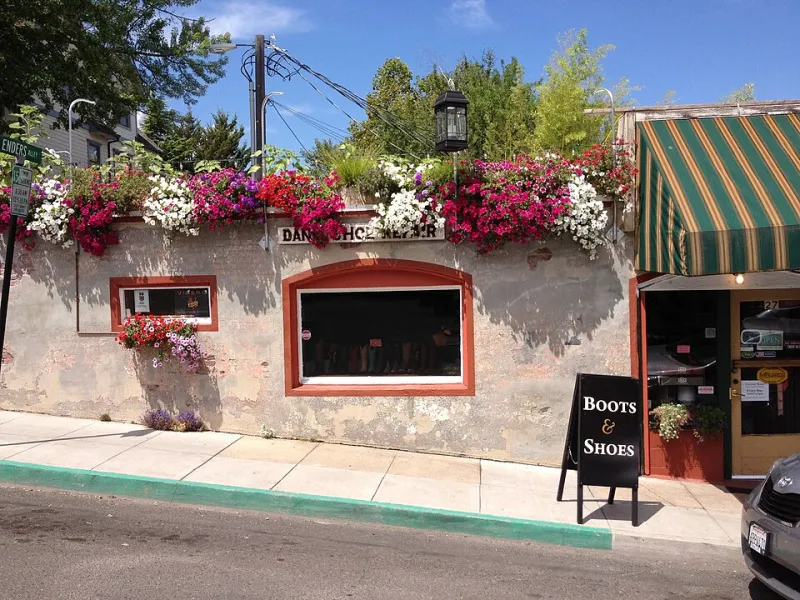
Photo: Dshulters, CC BY-SA 3.0, via Wikimedia Commons
There is a moment in every household where something small breaks and the automatic answer is to replace it. A heel goes. A zip gives up. The bike develops a noise. And because a new one is two clicks away, the broken thing goes in a cupboard and quietly becomes clutter. Tollcross is unusually well placed to interrupt that process, because most of the repair trades a flat actually needs are within a ten-minute walk of the junction. This is a route around them, plus honest talk about cost and the small bits of etiquette that save you a wasted trip.
Why Bother
Two reasons, and neither is about being saintly. The first is money: a resole is a fraction of a new pair of boots, and a bike service is cheaper than a replacement bike that will be worse than the one you own. The second is that the repair economy here is genuinely good — small workshops where the person behind the counter has been doing the job for years and will tell you honestly when something is not worth fixing. That second opinion is worth the walk on its own.
Stop One: Shoes, Before Anything Else
Start with the cobbler, because shoes are the thing most likely to be repairable and most likely to be binned. Heel tips, sole protectors, stitching, a stretched seam. Take the actual shoe in rather than a photograph — a mender can tell in five seconds whether the upper is sound and whether the fix will hold. Rough expectations at the time of writing: a new heel tip somewhere in the low teens, a full resole in the forty-to-sixty bracket depending on the sole, stitching and small patches rather less. Leather boots that have been looked after will take two or three resoles before the upper gives up. Trainers are fussier — ask before you assume.
Stop Two: The Bike
A few minutes' walk and you are at the bike end of the trail. The usual list: a puncture, a stretched chain, indexing gears that have stopped behaving, brakes that squeal. A basic service tends to land in the fifty-to-eighty range, a puncture fix in the low teens if you are not also buying a tube. One practical tip — if the bike has been sitting unused, say so when you book it in. A mechanic who knows the bike has been idle will check the things that seize, rather than just pumping the tyres and sending you off to discover the problem at the canal bridge.
Stop Three: Clothes, Zips and Alterations
The humble alterations shop is the most underused resource in any neighbourhood. A replaced zip is typically twenty-ish pounds, taking in a waist fifteen to twenty-five, shortening a hem rather less. The important thing to know is that zip replacement is priced by the awkwardness of getting at it, not the zip itself, so a jacket lining will cost more than a trouser fly. Ring ahead with the garment in front of you and you will get a much more useful number than from a vague description. Also worth asking: whether they will patch jeans at the knee rather than just taking them in. Many will, happily.
Stop Four: Small Electronics
Kettles, lamps, phone screens, laptop charging ports, headphones with one side gone. This is the murkiest bit of the trail, because the economics are unforgiving on cheap items and generous on expensive ones. As a rough rule: anything that cost under about thirty pounds new is usually not worth a paid repair, but is very often worth taking to a repair café, where a volunteer will have a look for the price of a donation and a chat. Anything over a hundred pounds — a phone, a proper pair of headphones, a good lamp — is almost always worth a quote. Ask for the price before you leave the item. A good shop will give you one there and then and will not be offended if you say no.
Stop Five: Furniture and the Wobbly Chair
Wooden chairs, drawer runners, a table leg that has been held together with hope since a house move. Small furniture repairs are often a question of glue, clamps and somebody who knows which glue, and the price reflects the awkwardness of the joint rather than the time. Re-webbing a chair seat or replacing a cushion cover sits at the pricier end. If the piece is genuinely falling apart, ask about it directly — a joiner will tell you, and that honesty is more valuable than a cheap fix that lasts six weeks.
The Free End of the Trail
Beyond the shops, keep an eye on community noticeboards and local social pages for pop-up repair cafés — volunteer-run sessions covering textiles, small electricals, bikes and occasionally jewellery, where the deal is a donation and the pleasure of watching your own kettle being taken apart. Libraries of things and tool-lending schemes come and go in this part of Edinburgh, and when they are running they will save you buying a staple gun you will use once. Ask in the local shops; the noticeboards are more current than any listing online.
Booking Tips That Save a Journey
Go in person, with the item, whenever you can — quotes are quicker and more accurate face to face. Tuesday to Thursday is calmer than Saturday. August is school-shoe season and shoe repairs back up accordingly, so take boots in earlier than you think you need to. Autumn and winter are peak for bike servicing. Keep a bit of cash handy, ask how long the job will take before handing anything over, and get a ticket or a text confirmation. None of this is complicated, but it is the difference between a pleasant errand and three trips across town.
Three People Who Fix Things
The cobbler, asked why he still does it: because half the shoes that come through the door are better made than the ones replacing them, and it seems a shame. The bike mechanic, on his least favourite job: anything that has been left outside for two winters, though he will still do it. And a volunteer at a repair session, holding a lamp that had been in a cupboard for four years, said the thing that sums the whole trail up — most of what people bring in is not broken, it has just been forgotten about.
A Small Habit, Not a Big Pledge
None of this requires a lifestyle overhaul. Get a box, put anything broken in it instead of the bin, and take one item out of the box each month and walk it to the appropriate stop on the mend line. Shoes in October, bike in spring, zip whenever. In a year you will have rescued a dozen things, spent far less than replacing them, and got to know five people on your own street a bit better. That is a decent return on a ten-minute walk.