The Quarter-Hour Society: How Tollcross Keeps Its Own Time
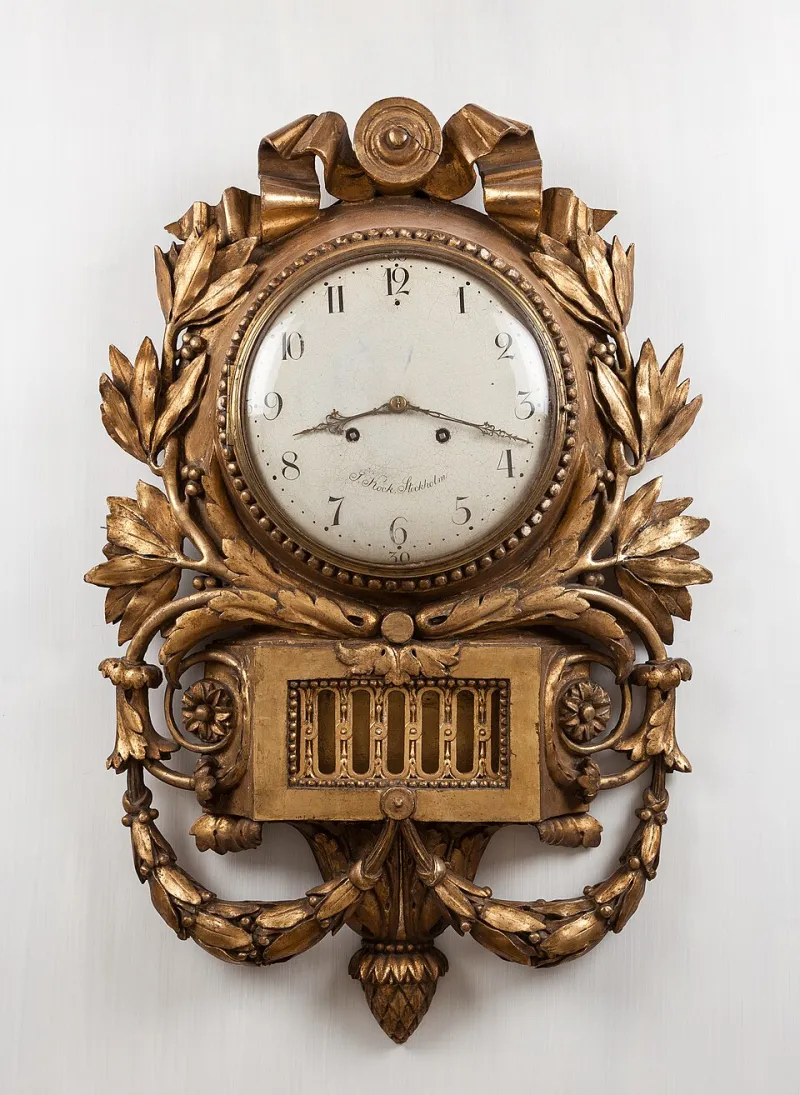
Photo: Christoph Braun, CC0, via Wikimedia Commons
Tollcross is not a place that agrees on the time. Stand at the junction on a wet Tuesday and you can collect at least half a dozen versions of it before your bus arrives. One clock is fast, another is vague, a third is really a queue, and a fourth is a screen that says “due” with the confidence of a weather forecast. None of them quite match. That is not a fault in the system. It is the system.
The theatre clock: time by queue
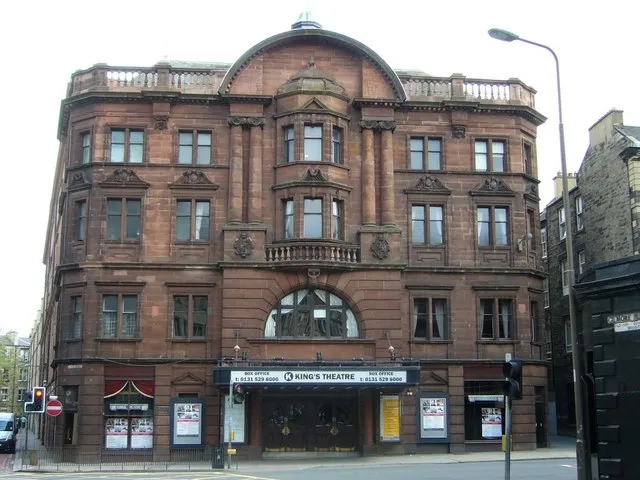
The King’s Theatre is the neighbourhood’s loudest timekeeper, even when its doors are shut. You do not need a clock face to read it. A matinee puts one sort of crowd on the pavement — coats, carriers, a slight sense of occasion — while an evening show builds more slowly, in smaller groups, with more taxi doors. In 2026 the theatre still sets the rhythm for a good chunk of Tollcross life: when to eat, when to avoid the junction, when to book a table if you want to be out before the interval rush.
The theatre’s time is social rather than mechanical. It is measured in queues, curtain calls and the bit before the lights go down when everyone suddenly remembers they need the loo. If you live nearby, you learn it without trying. The street starts to feel different at about seven. Not because a clock says so, but because the pavement does.
The hall clock: the civic nudge
A little further along, the Usher Hall keeps a stricter sort of time. Its programme is the clock here — the concert listing, the doors time, the polite instruction to be seated. This is time as a civic nudge: organised, printed, and faintly disapproving of anyone who arrives late with a rustling bag.
What is useful about the hall clock is that it is not really about the building. It is about the surrounding streets. Concert nights change the tempo of Lothian Road and the top of Tollcross. Cars slow, people cluster, someone always asks directions to the wrong door. The hall does not just tell you when the music starts. It tells you when the neighbourhood is about to get busy.
The shop-window clock: five minutes fast
Shop clocks in Tollcross tend to run fast. Not by much. Five minutes, maybe seven. Just enough to make you hurry when you did not especially need to. A jeweller’s window, a pawnbroker’s display, a café with a clock above the till — they are all making a small argument about how the day should go.
A fast clock is a nudge. A slow clock is a kindness. The ones that are simply wrong are the most honest, because they admit that time in a neighbourhood is a bit of a rumour. You can set your watch by the bank clock if you like, but you will still look at your phone at the crossing. Everyone does.
The bus screen: optimistic time
At the junction, the real-time display is the most consulted clock in Tollcross. It is also the least trustworthy. “Due” can mean anything from two minutes to a philosophical maybe. “Now” is occasionally true. The screen has the great advantage of being visible from several directions at once, which makes it a meeting point as much as a timetable: people stand under it, squint at it, and then decide to walk anyway.
This is where Tollcross time gets practical. The bus screen is not there to be believed. It is there to be negotiated with. If the 34 is eight minutes away, you have time for a coffee. If it is two minutes away, you do not. If it has vanished entirely, you join the general shrugging and consider the walk up to the Meadows. The screen is less a clock than a small public drama.
The bell: time with reverb
Some time arrives by ear. The bells from the church on Brougham Street do not so much announce the hour as let it settle over the rooftops. They are not precision instruments, and that is the point. A bell is time with reverb. It reaches you after the fact, which feels about right for a neighbourhood where nobody is in a terrible rush unless a bus is involved.
On a Sunday morning the bells make Tollcross sound older than it looks. On a weekday they are easy to miss entirely, buried under traffic and delivery vans. But when you do catch them, they do a useful thing: they make you look up. Not at a screen. At the sky, the stone, the ordinary street. That is a different kind of timekeeping altogether.
The café clock: time as permission
A café clock set ten minutes slow is not an accident. It is a small act of hospitality. It says: stay for the second cup. It says: the afternoon is not quite as advanced as your phone claims. In a city that loves a timetable, there is something quietly rebellious about a clock that gives you permission to linger.
Tollcross has several of these clocks, in one form or another. Some are literal. Some are the look a barista gives you when you hesitate over the cake. Some are the way a pub feels at four in the afternoon, when the lights are low and the day has not yet decided what it is. These are the clocks that keep local life human-sized.
The quarter-hour society
The strange thing is that none of this causes chaos. Tollcross functions perfectly well with half a dozen versions of the time. People adapt. They know which clock to trust for the theatre, which one to ignore at the bus stop, which bell means Sunday and which shop window is lying to them. The neighbourhood runs on a quarter-hour society: loose, forgiving, and held together by habit rather than precision.
In 2026, when every phone in every pocket is atomic-accurate, that is worth noticing. We could all synchronise. We mostly do. But the street still has its own time — a bit fast, a bit slow, occasionally announced by a bell — and locals read it without thinking. Tollcross does not need one perfect clock. It needs the mismatched chorus. That is how you know you are here.