Stairway Logic: Seven Vertical Shortcuts That Make Sense of Tollcross
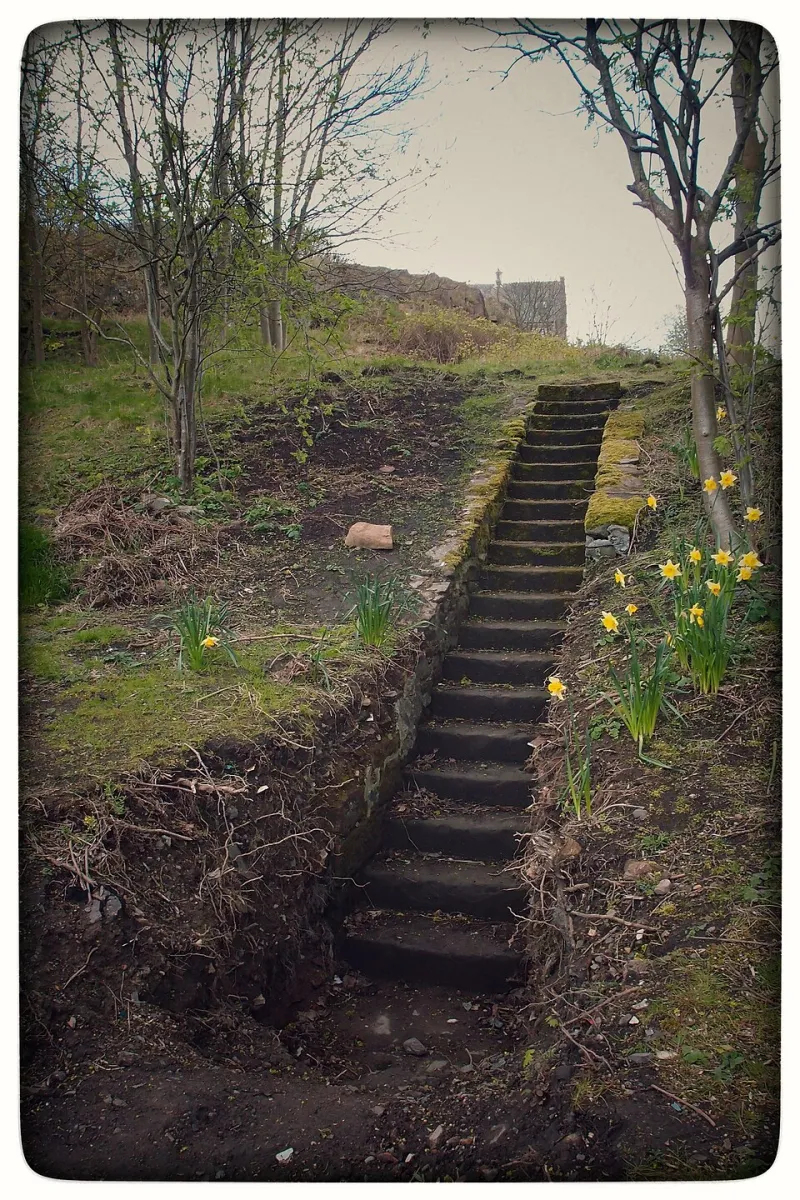
Photo: marsupium photography, CC BY-SA 2.0, via Wikimedia Commons
Tollcross is not flat. You notice it the moment you turn off the main drag with a bag of shopping, or try to wheel a suitcase from Home Street towards Fountainbridge. The map says one thing; your calves say another. The neighbourhood is built on a gentle, stubborn slope, and the stairways are how it copes.
Some of these flights are grand stone steps with a proper sense of occasion. Others are grubby little cut-throughs that only make sense once you have lived here a fortnight. Together they do more than save you a few metres. They explain how deliveries used to work, where boundaries were drawn, and why certain corners feel busy while others stay oddly quiet.
Why the stairs matter here
Before vans and online orders, Tollcross ran on barrows, handcarts and foot traffic. A flight of steps could decide whether a delivery reached a shop door or stopped at the bottom of the lane. Coal, milk, laundry, beer and theatre costumes all moved through these streets, and the vertical bits shaped the route. Even today, the stairs tell you which streets were designed for people on foot and which were laid out with wheels in mind.
The old boundary between town and suburb also left its mark. Tollcross grew as a crossing point, a place where roads met and tolls were collected, and the smaller lanes and flights around it were not planned as a tidy grid. They were practical. They connected the high ground to the low ground, the main road to the back door, the tenement to the workshop.
The seven to know
1. The Castle Terrace flight
Start at the northern edge. From King's Stables Road, look for the stone steps rising towards Castle Terrace. This is the most theatrical of the seven: proper stone, a decent gradient, and a view that makes you feel you have earned something. It is also a reminder that Tollcross sits in the shadow of the castle, even if the tourists rarely notice.
Practical note: this one is no fun in ice. In winter, take the ramp or stick to the main road. In 2026, it remains one of the best short climbs in the area for a quick sense of elevation.
2. The King's Stables ramp-steps
A little further along, there is a hybrid route — part ramp, part steps — lifting you from the lower road towards the castle side. It is not pretty, but it is useful. This is the sort of connection that locals use without thinking and visitors miss entirely.
Historically, this lower ground was working territory: stables, yards, carts and the kind of trades that needed space rather than polish. The ramp-steps are a leftover of that practical world.
3. The Lauriston Place rise
The wide, shallow steps and ramp at the Meadows edge near Lauriston Place are less dramatic, but they matter. They connect the hospital and university quarter with the open green, and they are forgiving enough for prams, wheelchairs and tired legs.
This is a good example of a stairway that works as a social space. People pause here, meet here, and use the edge of the park as a shortcut between appointments, lectures and lunch. It is vertical infrastructure, but it is also a bench with a view.
4. The Home Street back-lane steps
Behind the shopfronts of Home Street, there are small flights and service steps that most people never register. They are not a tourist route. They are the kind of thing a delivery driver knows and a first-time visitor ignores.
Look for the modest steps where the back lanes change level. These were never designed for a crowd. They were designed for the person carrying something heavy and needing the shortest way up. That is the quiet logic of Tollcross: the front street is for show, the back lane is for work.
5. The Fountainbridge cut
Where Fountainbridge bends and the streets start to fold into one another, there is a short flight that drops you down towards the lower road. It is easy to miss if you are following the main traffic, which is exactly why it feels like a find.
Use it to cut between the Fountainbridge side and the streets running back towards Tollcross. The history here is industrial and watery — breweries, canals, rubber works and the kind of trades that needed flat ground and good access. The steps are a small reminder that this area was built for movement, not just for living.
6. The Leven Street kerb flight
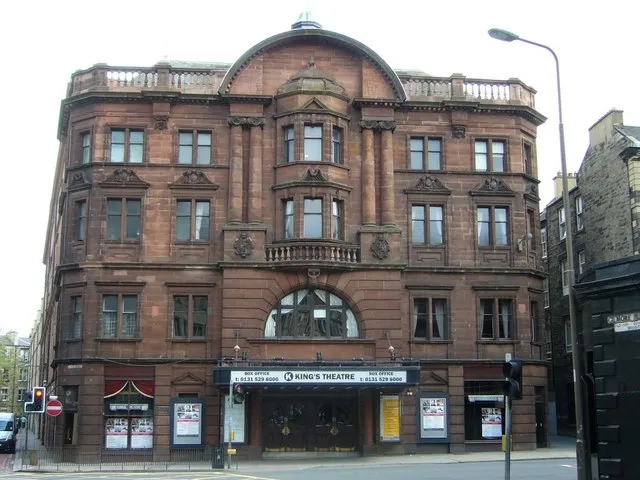
Near the King's Theatre end of Leven Street, the change in level is subtle enough that you might not call it a stairway at all. It is more of a kerb-height rise, a short run of steps where the pavement adjusts to the slope.
But that is the point. Not every vertical connection in Tollcross is grand. Some are just the bit of pavement that stops you from twisting an ankle. On theatre nights, this little flight becomes a meeting point, a place to wait, and a place to watch the crowd arrive.
7. The Gilmore Place steps
On the western side, the streets drop towards Fountainbridge and the canal. The steps around Gilmore Place are the least glamorous of the seven, but they are a proper local shortcut. They connect the higher residential streets with the lower roads, and they make the neighbourhood feel more compact than it looks.
If you are heading to the canal or cutting back towards Tollcross, these steps save you a long walk around. They also remind you that Edinburgh's topography is never far away, even in the flatter-looking parts of town.
How to read the stairs
Do not treat this as an official heritage trail. Some of these routes are public, some are ordinary pavements, and some are service lanes where you should be considerate. The pleasure is in noticing how the neighbourhood works, not in ticking off monuments.
A good rule is simple: if a stairway looks like it saves local people time, it probably does. Watch where people walk with shopping bags, where delivery bikes pause, and where the pavement wears smooth in the middle. That is the real map of Tollcross.
The short Up-and-Down Loop
If you want to try this without turning it into a hike, here is a practical 40-to-50-minute loop. It is about 1.5 miles, with a few flights of steps and some uneven paving. Wear decent shoes and skip the Castle Terrace flight if it is icy.
Start at Tollcross junction. Head down Home Street towards Fountainbridge, then take the back-lane cut where the levels change. Continue to Fountainbridge, follow the bend, and use the short flight down towards the lower road. Walk west towards Gilmore Place, then take the steps back up to the higher streets.
From there, head towards Leven Street and the King's Theatre, using the little kerb flight near the theatre end as your link back to the main road. Cross towards Lauriston Place and finish with the shallow rise at the Meadows edge. If you still have energy, add the Castle Terrace flight at the end — it is the best finish in the neighbourhood, and it explains the whole slope in one go.
The point is not to conquer Tollcross. It is to feel how it fits together. Once you have walked the stairs, the streets make more sense.